






Cold Therapy and Your Cycle: A Guide for Women
The cold therapy research gap
Most of what we know about cold water immersion came from studying men.
That isn't a slight to women. It's just how performance and physiology research has been structured for decades. But it left a quiet assumption hanging in the air: that the standard protocol, fixed temperature, fixed time, would translate cleanly to every body.
A woman's body doesn't work on a fixed schedule. It moves through a monthly cycle. Hormones rise and fall. Core temperature shifts. Energy, mood, and recovery capacity change with the phase.
Cold therapy doesn't need to ignore that. It can work with it.

What cold therapy actually does
Before we get to cycle-syncing, it helps to understand what's happening when you step into cold water.
The mechanisms are well documented and universal. Cold exposure triggers a sharp release of the chemicals that drive focus, alertness, and mood regulation.
In one of the most cited studies on cold water immersion, participants who immersed at 14°C saw:
-
Noradrenaline increase by 530%
-
Dopamine increase by 250%
-
Plasma cortisol decrease by 34%
Dopamine remained elevated for hours afterward. These responses work in every body, regardless of sex.
Source: Šrámek et al., European Journal of Applied Physiology, 2000 (PMID:10751106)
The cortisol misconception
Cold therapy is often dismissed for women because it raises cortisol. The argument: women already carry chronic stress, the last thing they need is another spike.
It's a fair-sounding concern. It's also incomplete.
An acute cold session causes a short-term cortisol response. That's the body adapting to a controlled stressor. But used consistently, the bigger picture looks different. The same Šrámek research showed cortisol dropped by 34% after immersion. Over time, regular cold exposure trains the HPA axis, the body's stress response system, to regulate faster.
The result isn't more stress. It's a system that handles stress more efficiently.
Why your cycle matters
Oestrogen and progesterone rise and fall in distinct phases, and they directly affect how your body experiences cold.
The follicular phase runs from day one of your period through ovulation. Oestrogen rises. Energy climbs. Core body temperature sits slightly lower. This is generally the easiest window to handle cold.
The luteal phase runs from ovulation through to your next period. Progesterone rises. Core body temperature lifts by around 0.3 to 0.5°C. Cold can feel sharper. Energy may dip. This is when cold therapy benefits most from a softer touch.
How to sync cold therapy with your cycle
The principle is simple: adjust the dial to your week. With the Icon Chiller, that's literally what you do, set your exact temperature from your phone.
Follicular phase (days 1 to ~14)
A good window to push the practice.
-
Temperature: 5°C to 10°C
-
Duration: 3 to 5 minutes
-
Frequency: daily if you're consistent
-
Best for: building cold tolerance, mental clarity
Luteal phase (days ~15 to 28)
Ease off the extremes.
-
Temperature: around 15°C
-
Duration: 1 to 2 minutes
-
Frequency: every second or third day
-
Best for: stress relief, mood support, calming the nervous system
During your period
Listen to your body. Some women find cold exposure helpful for cramps and mood. Others prefer to skip a few days. Both are fine. Consistency over the month matters more than any single session.

What the research shows in women
The strongest study to date came out of University College London in 2024. Researchers surveyed 1,114 women who regularly swim in cold water about their menstrual and perimenopausal symptoms.
Among women with menstrual symptoms:
-
46.7% reported reduced anxiety
-
37.7% noted relief from mood swings
-
37.6% from irritability
Among 785 women going through perimenopause:
-
46.9% reported reduced anxiety
-
34.5% less mood swings
-
31.1% improved low mood
-
30.3% fewer hot flushes
Over 63% of perimenopausal women in the study said they swam specifically to ease their symptoms. The benefit isn't theoretical. Women have been reporting it directly.
Source: Pound et al., Post Reproductive Health, 2024
A few honest notes
Cold exposure isn't one-size-fits-all, and a few situations call for more care.
If you're trying to conceive or are pregnant, speak to your healthcare provider before starting cold therapy.
If you have a thyroid condition, particularly hypothyroidism, a practitioner conversation is worth having first.
If you're recovering from intense physical or emotional stress, ease in gently. Cold is a stressor your body adapts to, not something to layer on top of an already-overloaded system.
If you're new to it, start at 15°C for 30 seconds. Build from there.
The bottom line
Cold therapy isn't off-limits for women. The research supports it. The mechanisms are real. The benefits, both day to day and across longer chapters like perimenopause, are well documented.
The cold doesn't need to be punishing to work. It needs to be regular.
Browse our Cold Therapy range to build a practice you'll actually stick to.
Build a setup that flexes with you
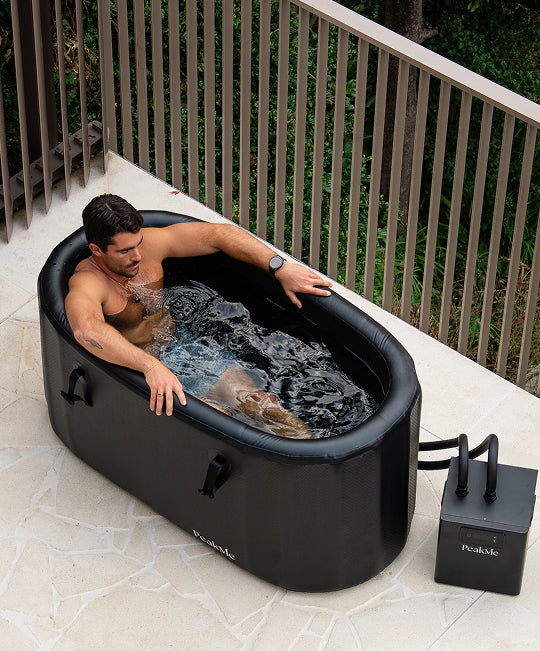
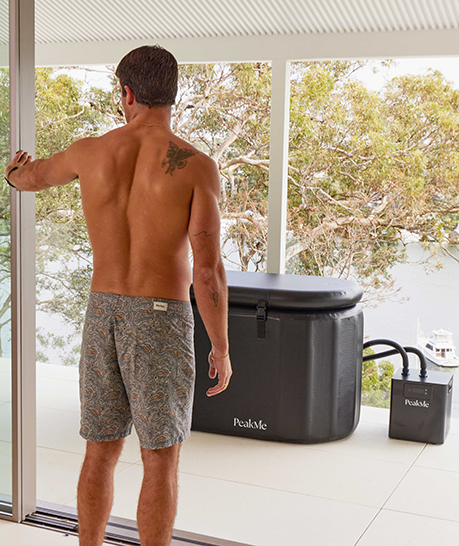
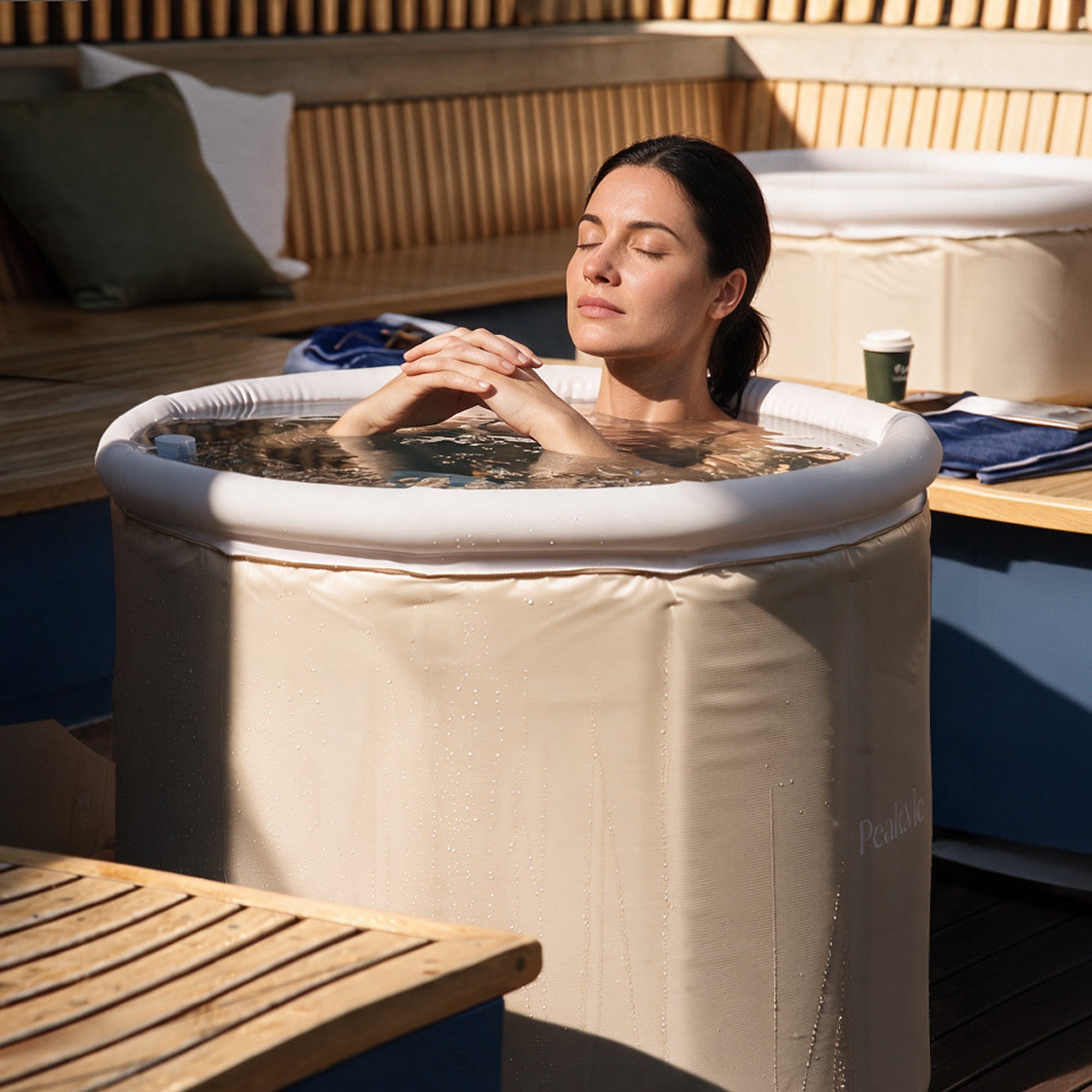
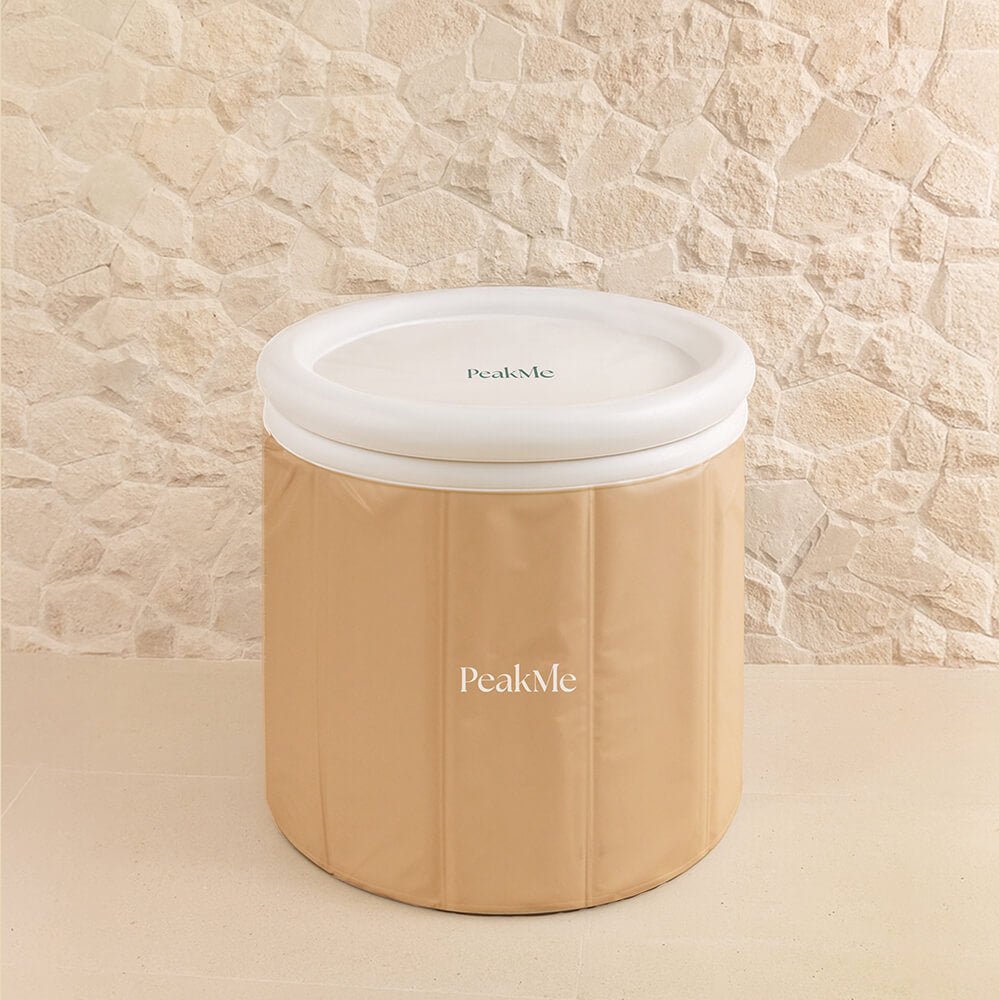
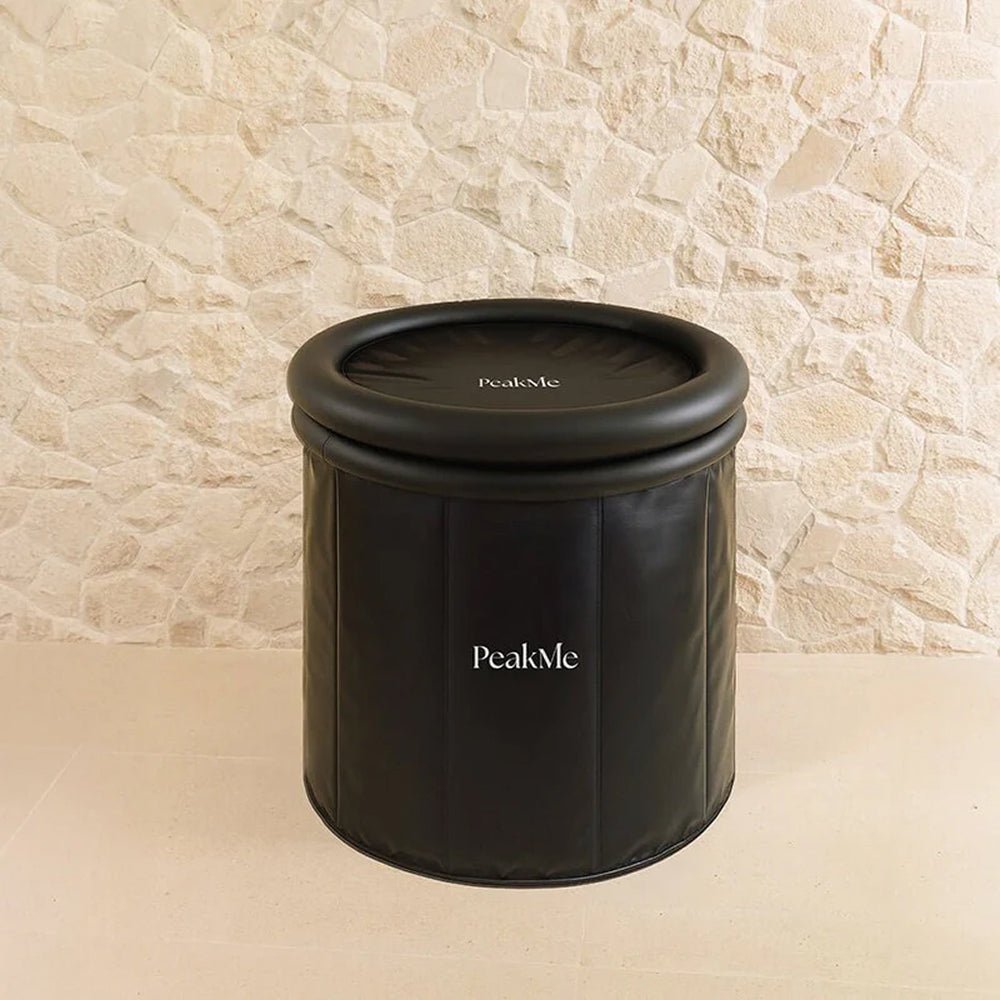
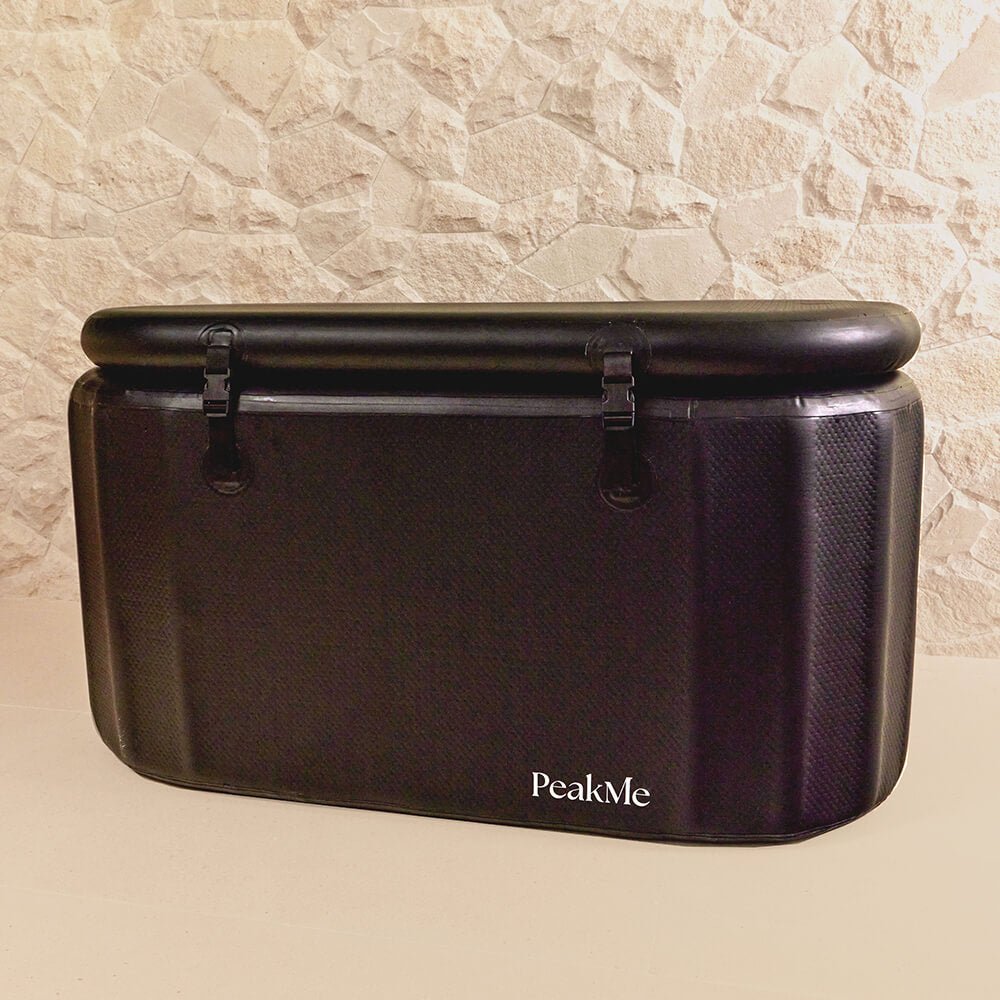
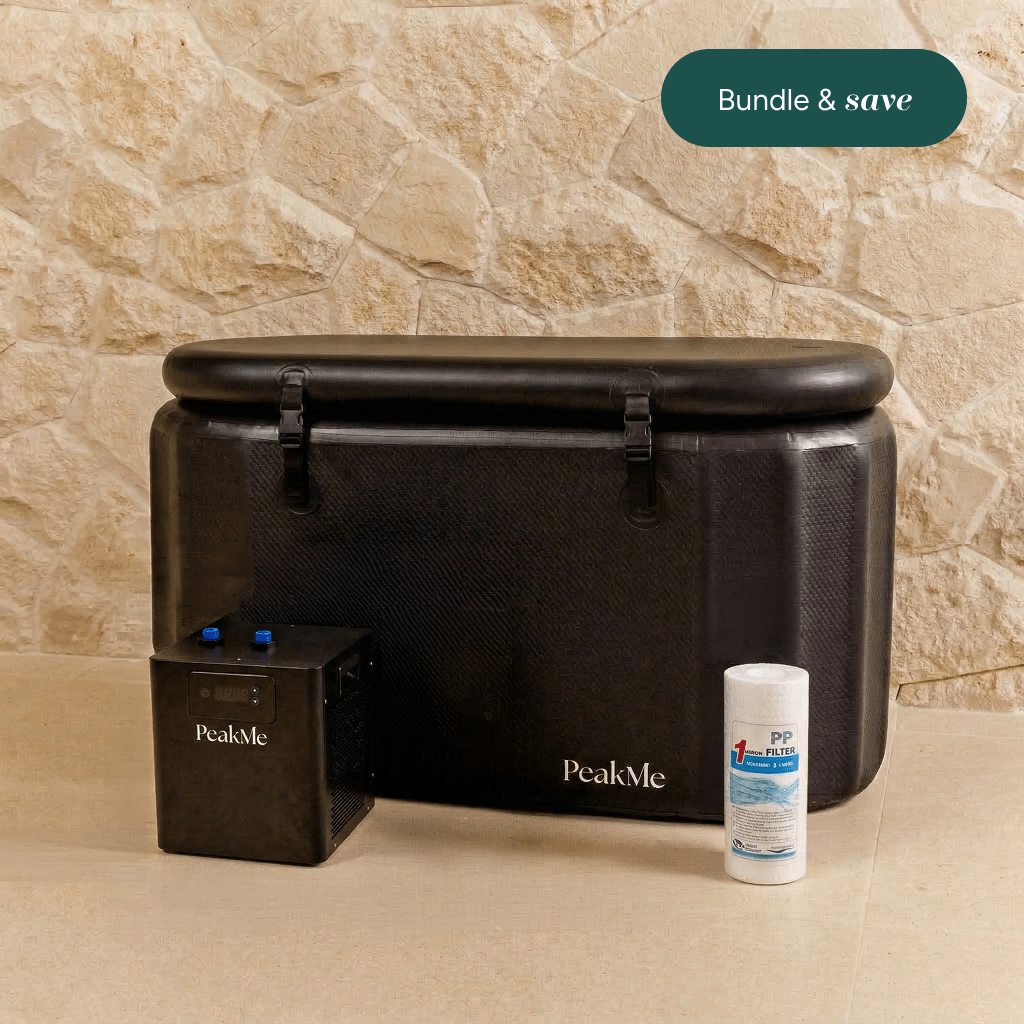
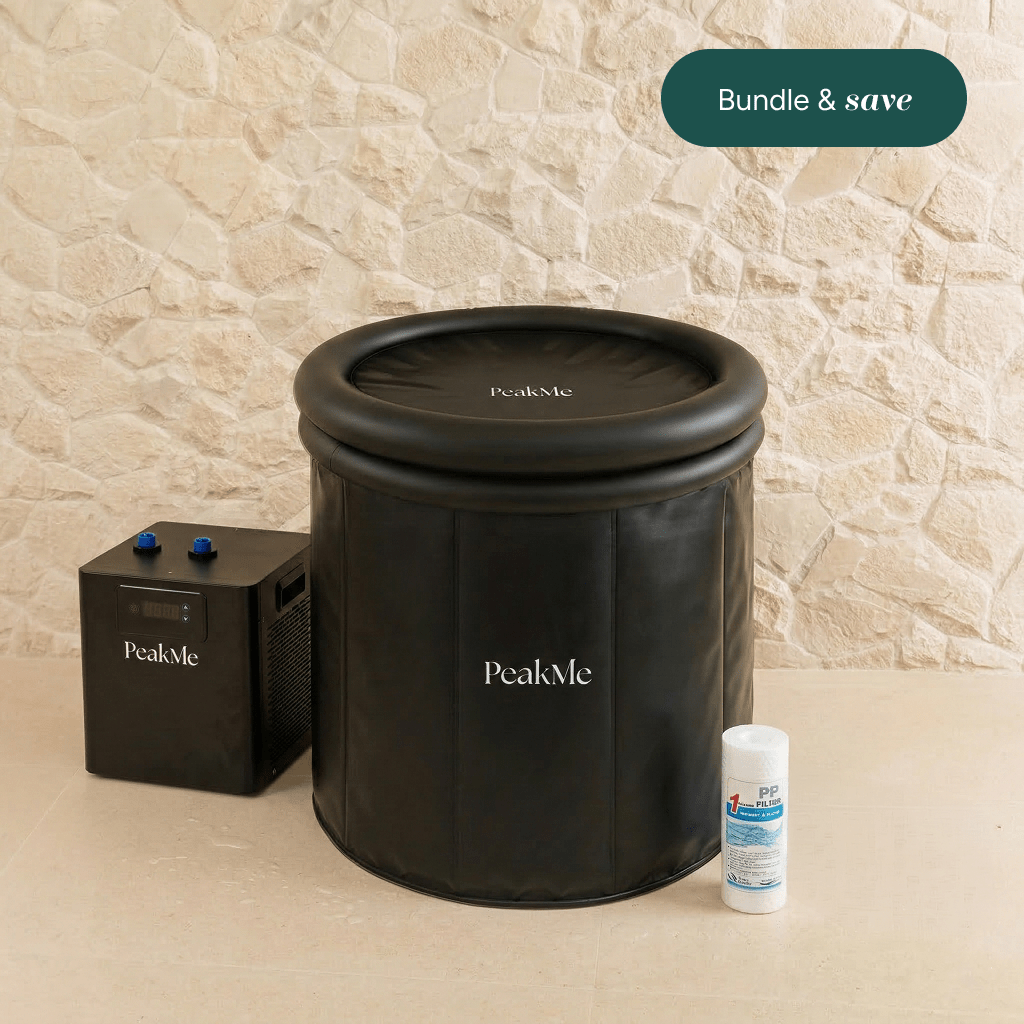
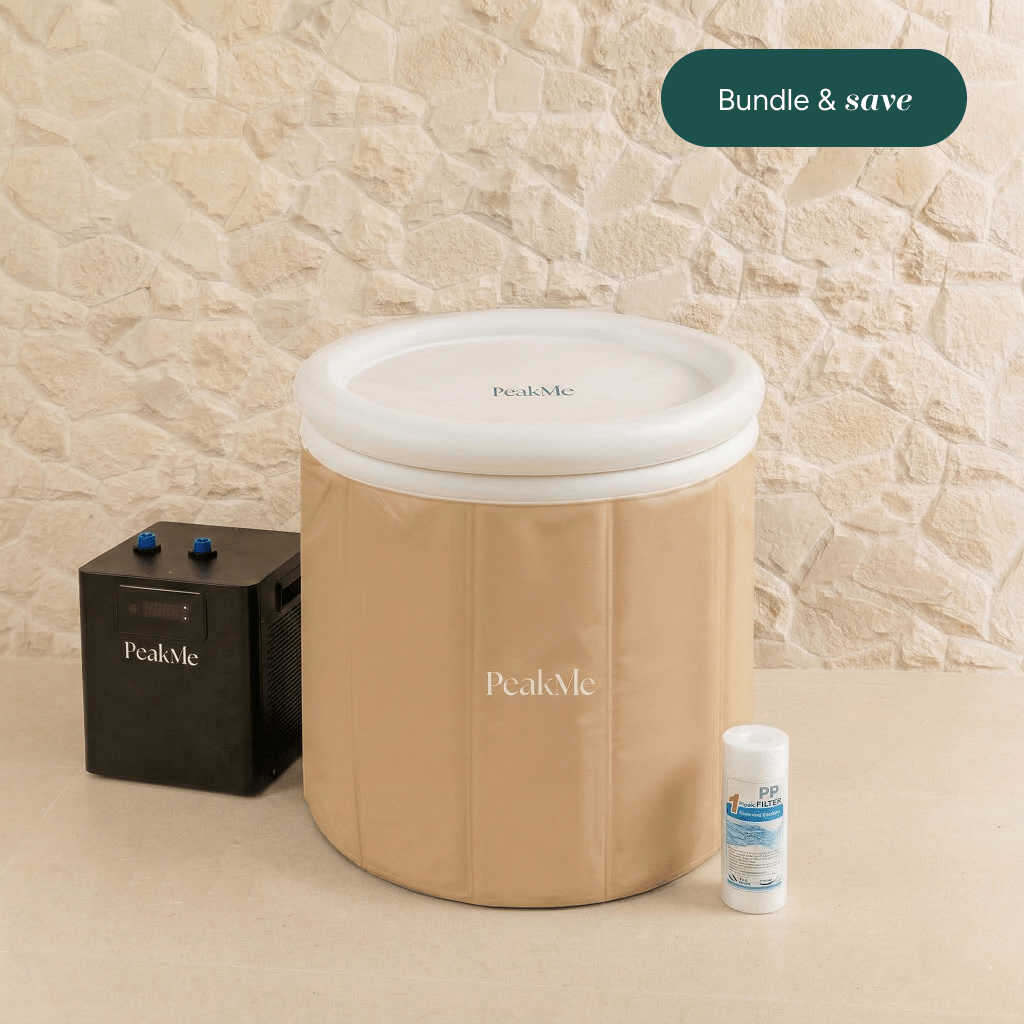
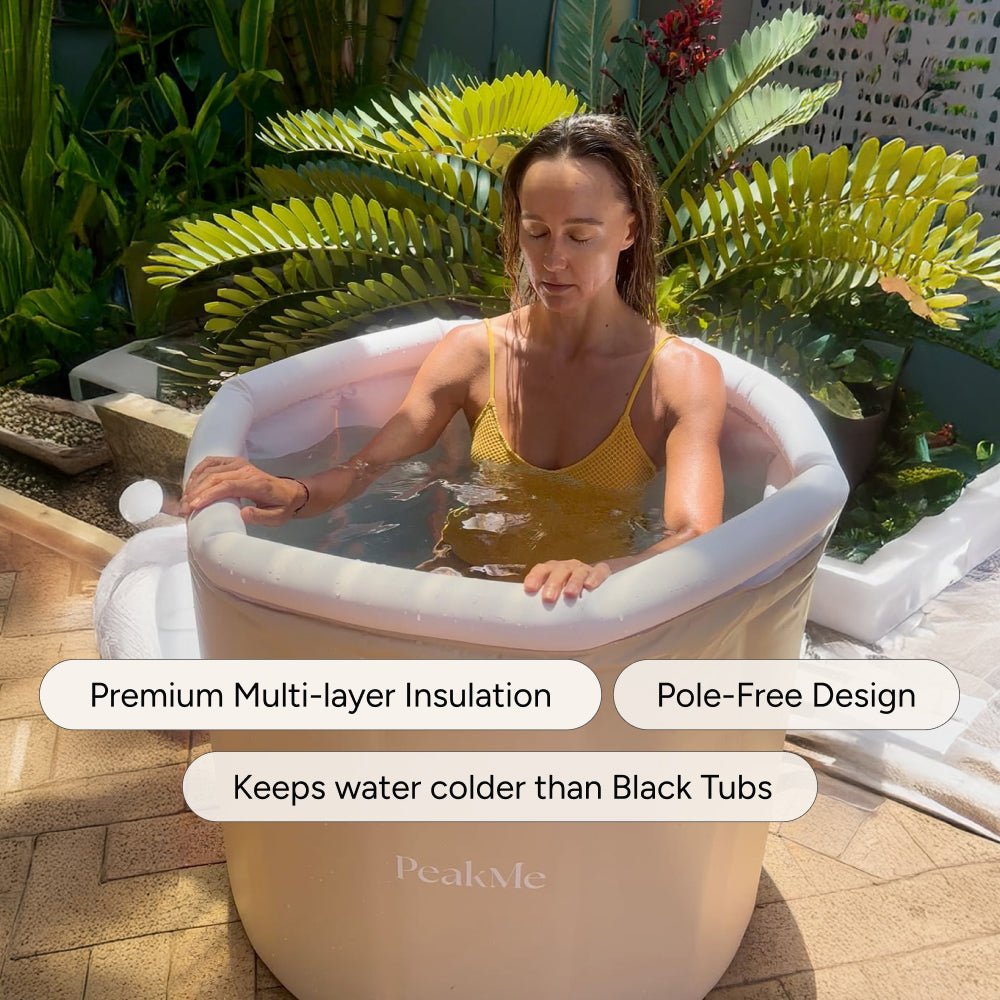
The Core Ice Bath is built for portable, daily use at home. Multi-layer insulated walls hold temperature for longer. Pole-free construction sets up in minutes.
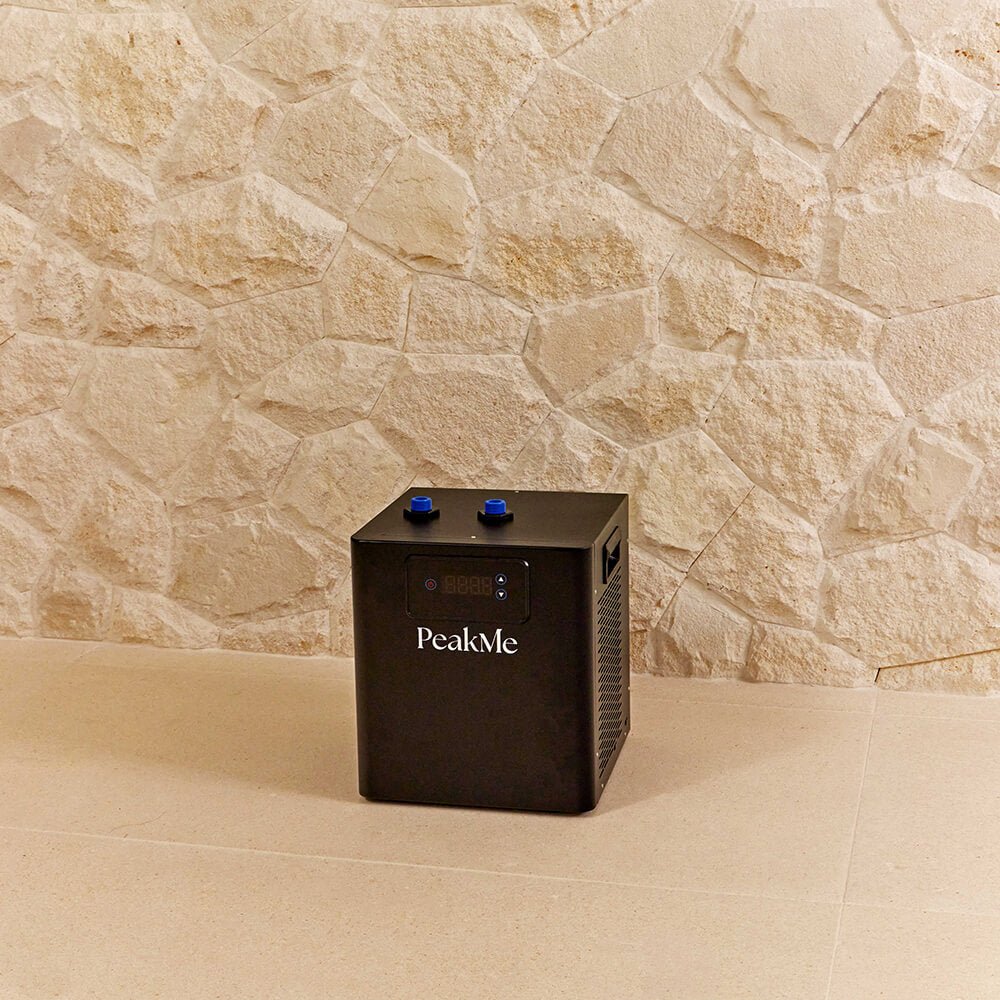
The Icon Chiller pairs with the Core or the Flow Ice Bath to give you precision temperature control. Set 15°C in the luteal phase. Drop to 5°C in the follicular. Adjust the dial to your week, not the other way around.
Sources
-
Šrámek P, et al. European Journal of Applied Physiology. 2000;81(5):436-442. PMID:10751106
-
Pound M, et al. Post Reproductive Health. 2024.


Read more

How Wellness Industry Experts Up Their Routines with Red Light Therapy There’s a reason Red Light Therapy is all the rage with fitness, beauty and wellness experts — because it reaps real resu...

How the World-Leading Wellness Guru uses Red Light and PEMF Therapies In 2026, “do you really want to live forever?” isn’t just a Rod Stewart song lyric. It’s a real question everyday people are as...