





Sauna and Ice Bath: The Contrast Therapy Protocol | PeakMe
Sauna and Ice Bath: The Contrast Therapy Protocol
Heat, cold, repeat. How to build a hot and cold routine that leaves you calm, clear and recharged.
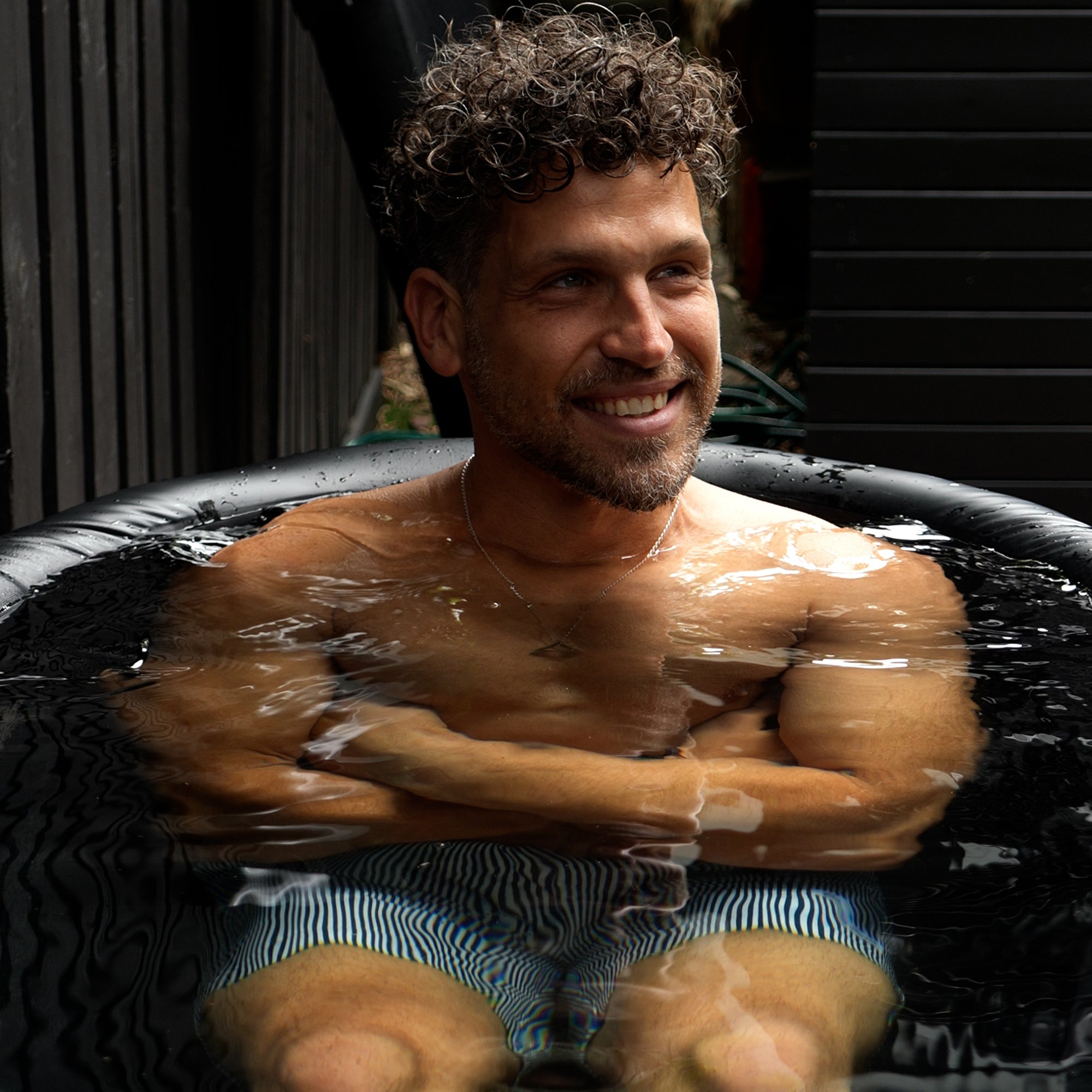
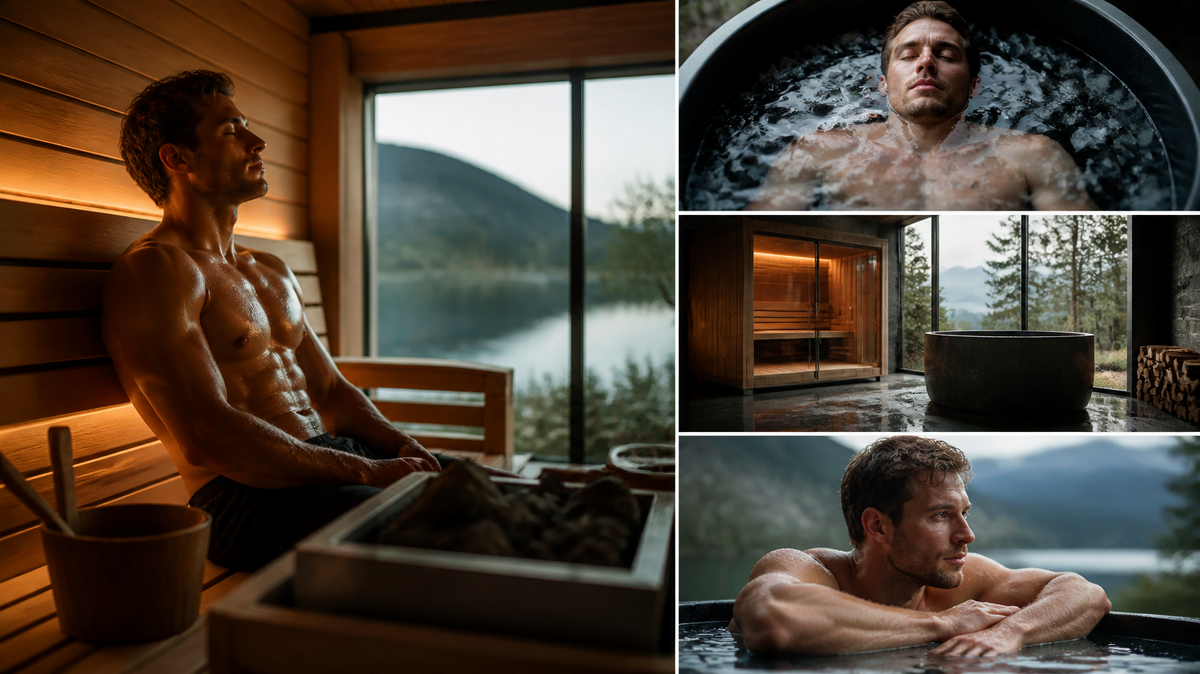
Walk into any recovery studio in Bondi or Fitzroy and you'll see the same ritual: a few minutes in the sauna, a plunge into icy water, a breath, and back again. Pairing a sauna and ice bath has gone from elite sport to everyday wellness, and for good reason. People come out feeling lighter, sharper and more settled than when they walked in.
This style of hot and cold therapy is called contrast therapy. It isn't new. Finnish, Russian, Japanese and Korean bathing cultures have moved between heat and cold for centuries. What is new is how easy it has become to do at home, on your schedule, without a membership.
So how do you actually do it? Which comes first, how long do you stay in each, and how many rounds is enough? Here's the protocol we use and recommend.
What is contrast therapy?
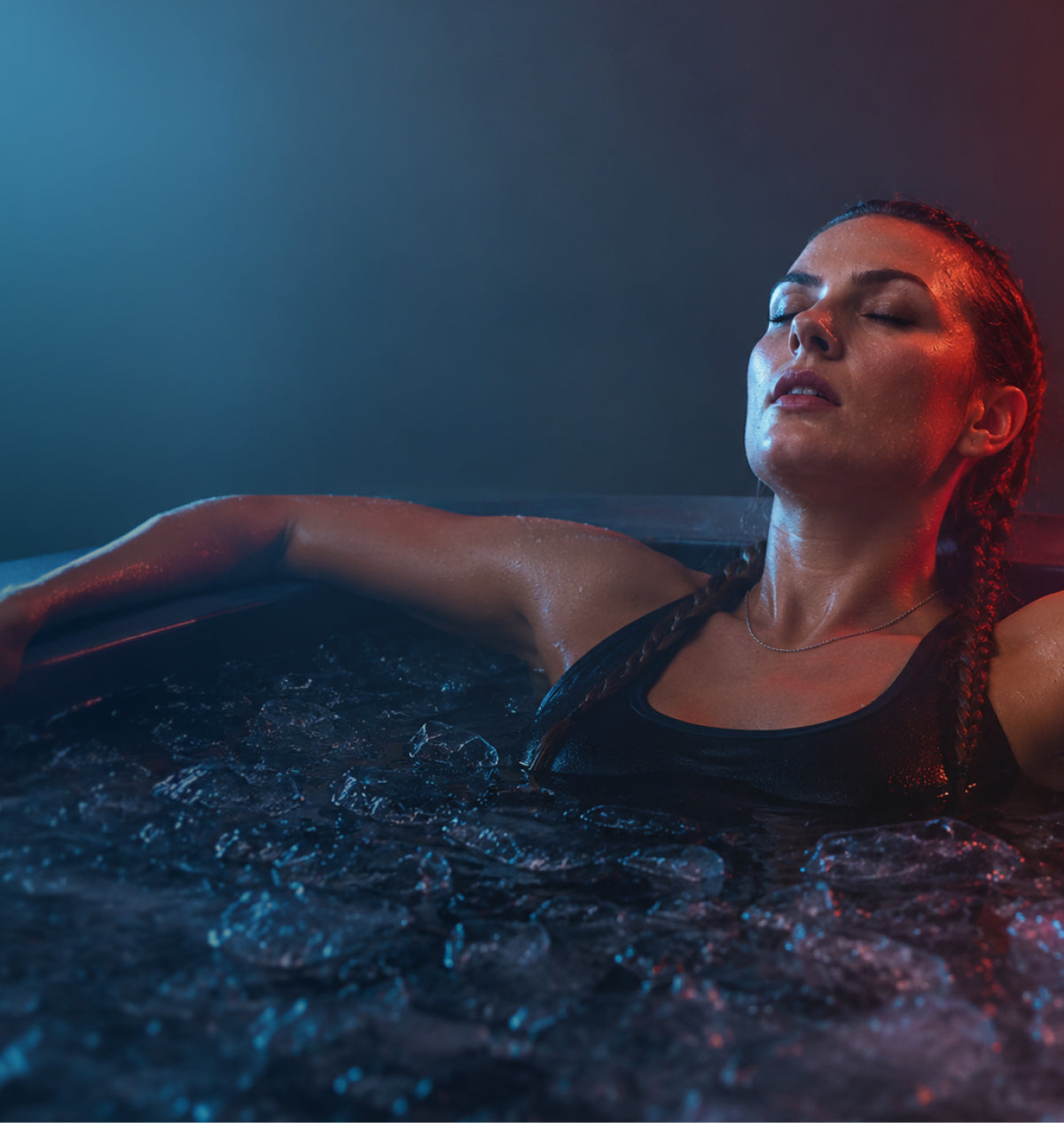
Contrast therapy means alternating between heat and cold exposure in one session. In its simplest form, that's a sauna followed by an ice bath or cold plunge, repeated two to four times.
Heat and cold ask very different things of your body. Heat opens up: blood vessels near the skin widen, heart rate climbs, and you sweat. Cold closes down: blood vessels near the skin narrow and blood moves towards your core. Moving between the two creates a cycle of widening and narrowing that many people describe as a "pump" feeling through the whole body.
There's a mental side too. Stepping into cold water after the warmth of a sauna is a deliberate, controlled challenge. You learn to slow your breath when every instinct says to rush. That's a skill that carries well beyond the plunge.
What are the benefits of contrast therapy?
Research on contrast therapy is still growing, but there are some useful findings worth knowing.
-
Muscle soreness after training. A 2013 meta-analysis in PLoS One found contrast water therapy was associated with less muscle soreness after exercise than passive rest. If you train hard, this is the most researched reason to try it.
-
Alertness and mood. In a well-known 2000 study, immersion in 14°C water raised noradrenaline by around 530% and dopamine by around 250%. Those are the chemicals behind the focused, upbeat feeling many people report after a plunge.
-
Heat as a habit. Long-term research from Finland has linked frequent sauna use with better cardiovascular outcomes in middle-aged men. Contrast therapy is a way to make that heat habit something you look forward to.
-
Rest and recovery. Many people use a contrast session in the evening as a way to switch off. The heat feels relaxing, and the slow breathing in the cold teaches you to stay calm under stress.
Results vary from person to person, and contrast therapy is a wellness practice, not a treatment. But as a routine to restore your body and recharge your mind, it's hard to beat.
Sauna then cold plunge: which order is best?
For most people, the answer is heat first, then cold.
Starting in the sauna warms your muscles and gets you comfortable. When you then step into the ice bath, the contrast is at its strongest. Repeat that two to four times.
Then comes the most debated part: how do you finish?
-
Finish on cold if you want to feel alert and energised. Researchers studying winter swimmers in Denmark (Søberg and colleagues, 2021) suggested ending on cold lets your body rewarm itself, which may boost the body's own heat production. This is the "end on cold" approach popularised by Dr Andrew Huberman and others.
-
Finish on heat if your session is in the evening and you want to unwind before bed. Ending warm can feel more relaxing and makes it easier to drift off afterwards.
There isn't a wrong answer. Choose your finish based on what you need from the rest of your day.
The PeakMe contrast therapy protocol
Here's a simple protocol to start with. Adjust the times as your tolerance builds.
Beginner: 2 rounds, about 30 minutes
-
Sauna: 10–15 minutes. Infrared saunas run cooler (around 45–60°C), so you can stay in comfortably for longer.
-
Ice bath: 1–2 minutes at 10–15°C. Focus on long, slow exhales through your mouth.
-
Rest: 2–3 minutes at room temperature. Let your breathing settle.
-
Repeat once, then finish with either the cold or the heat.
Intermediate: 3 rounds, about 45 minutes
-
Sauna: 15 minutes.
-
Ice bath: 2–3 minutes at 8–12°C.
-
Rest: 2–3 minutes.
-
Repeat for three rounds.
Advanced: 3–4 rounds, 50–60 minutes
-
Sauna: 15–20 minutes.
-
Ice bath: 3–5 minutes at 5–10°C.
-
Rest: 2–3 minutes.
-
Repeat for three to four rounds.
A 2016 review in Sports Medicine found cold water between 10°C and 15°C for around 10 to 15 minutes total gave the most consistent results for muscle soreness. You don't need to go colder or longer to get the benefit. Consistency matters more than intensity.
For more detail on your cold sessions, read our guide to ice baths: how long, how cold, how often.
How often should you do contrast therapy?
Two to four sessions a week is a good target for most people. Here's how to fit it in:
-
After training days, to support recovery. If you're chasing strength or muscle gain, wait at least four to six hours after a lifting session before the cold part (more on why in the FAQ below).
-
On rest days, as an active recovery ritual.
-
In the evening, as a wind-down. Finish on heat, then head to bed.
Your first week is about learning how your body responds. Keep sessions short, notice how you feel, and build from there. Progress, not perfection.
How to set up contrast therapy at home
You don't need a day spa to do this well. A home setup comes down to three things.
1. A sauna you'll actually use
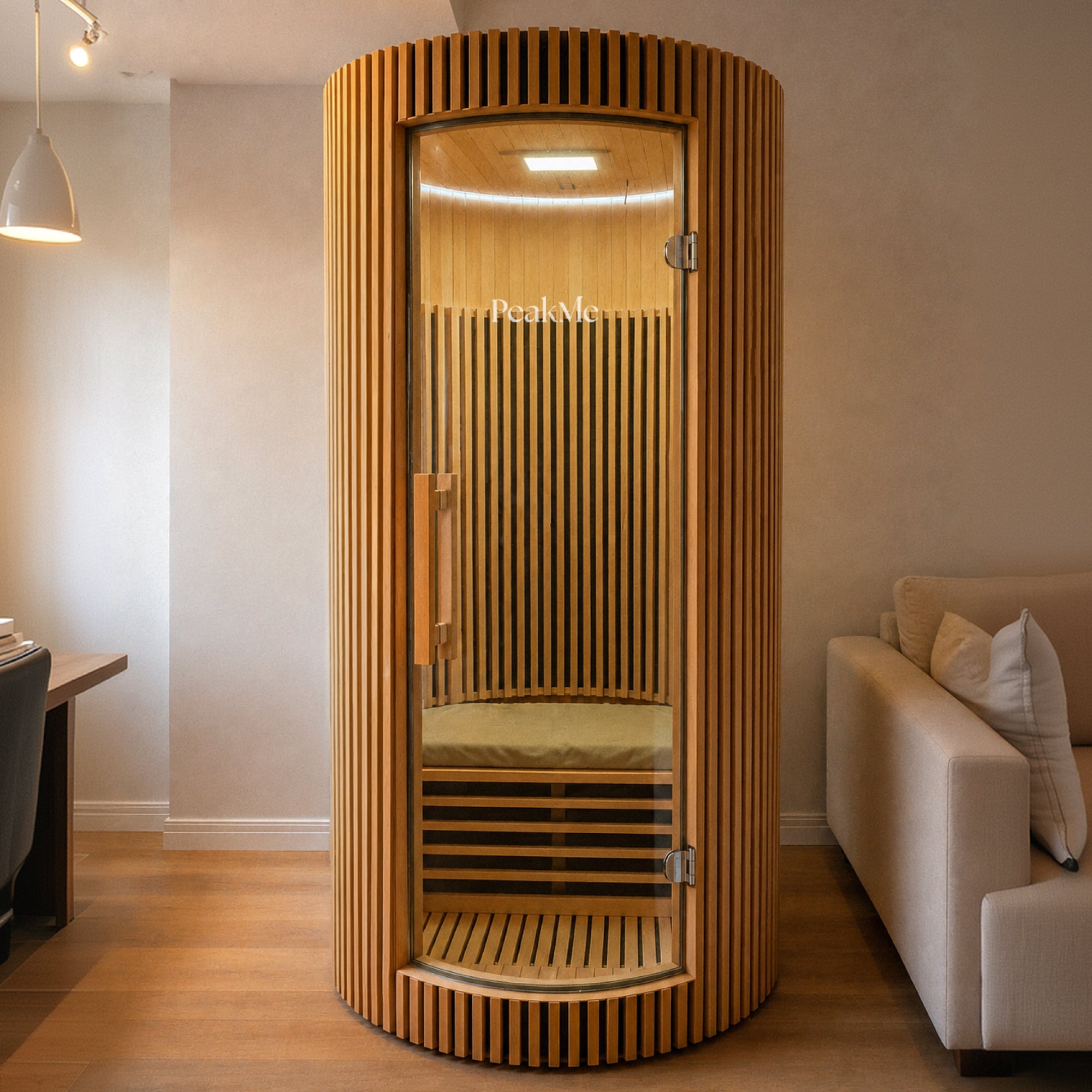
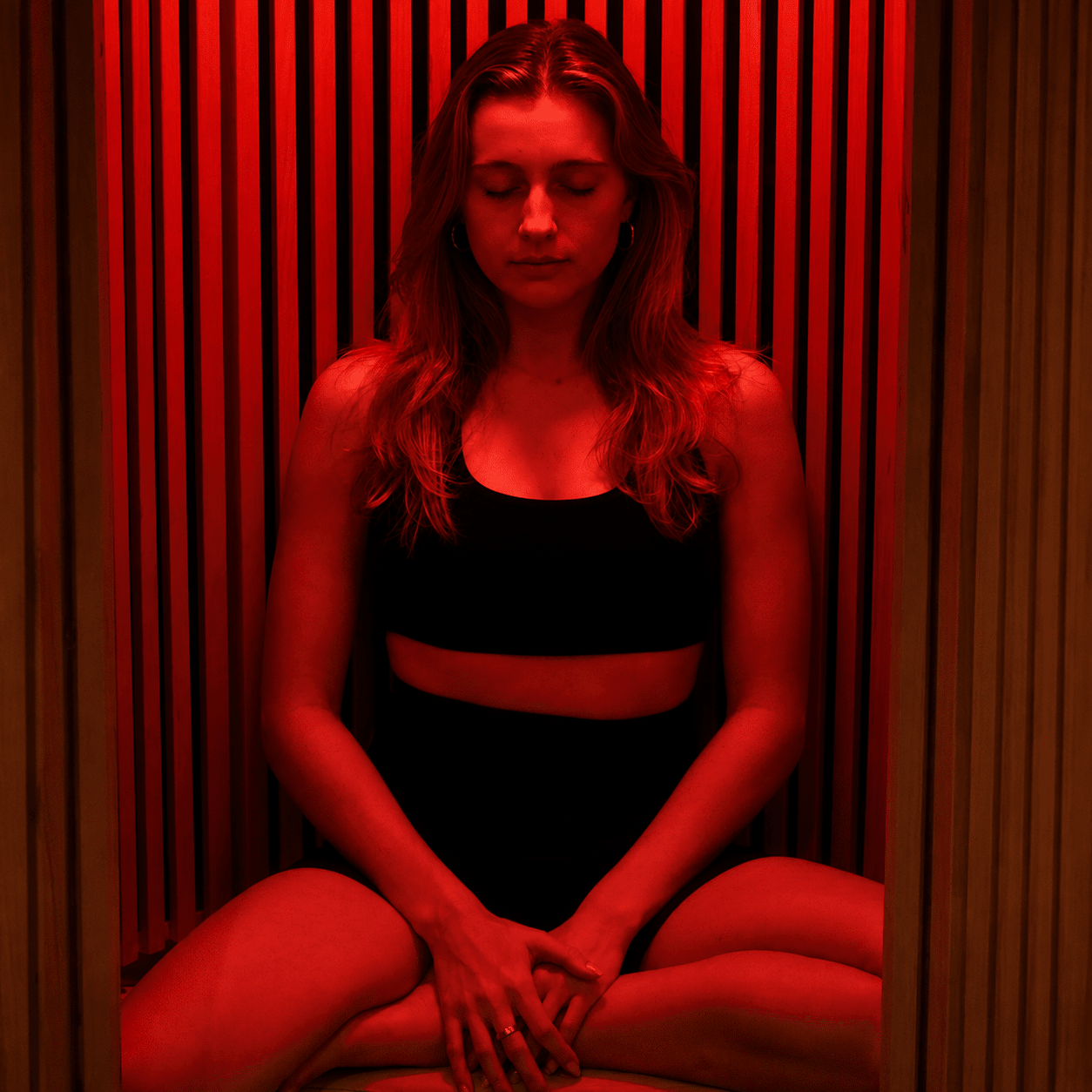
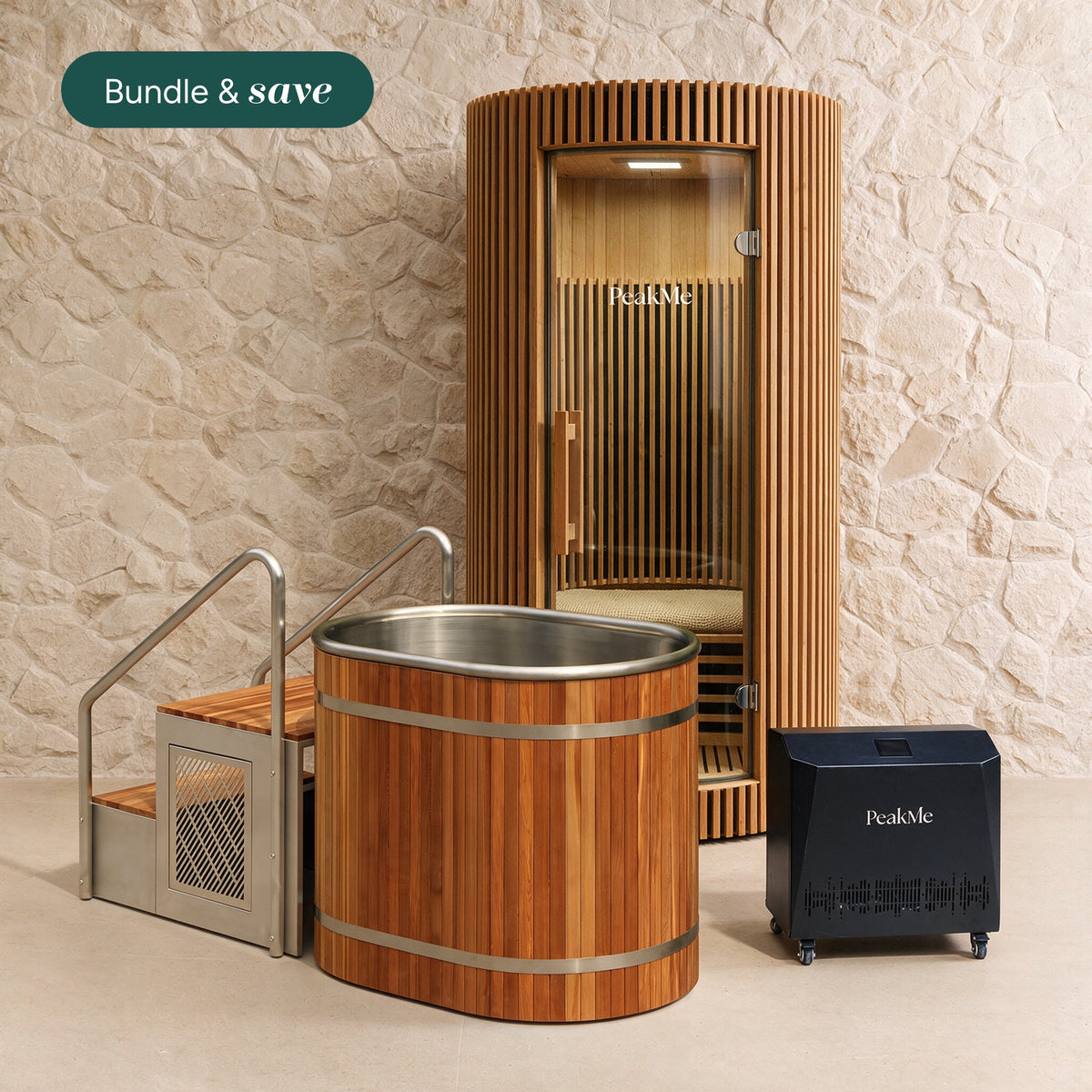
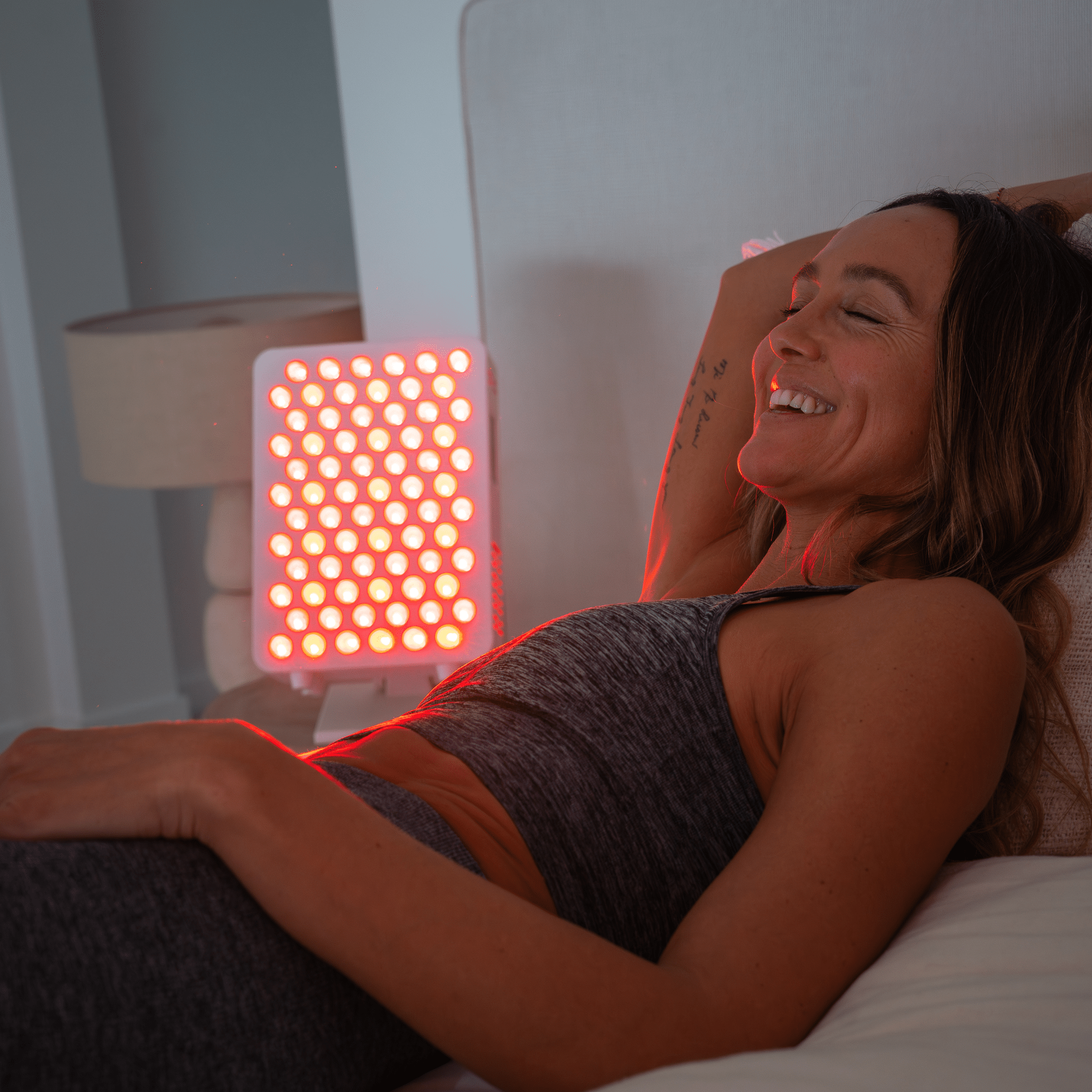
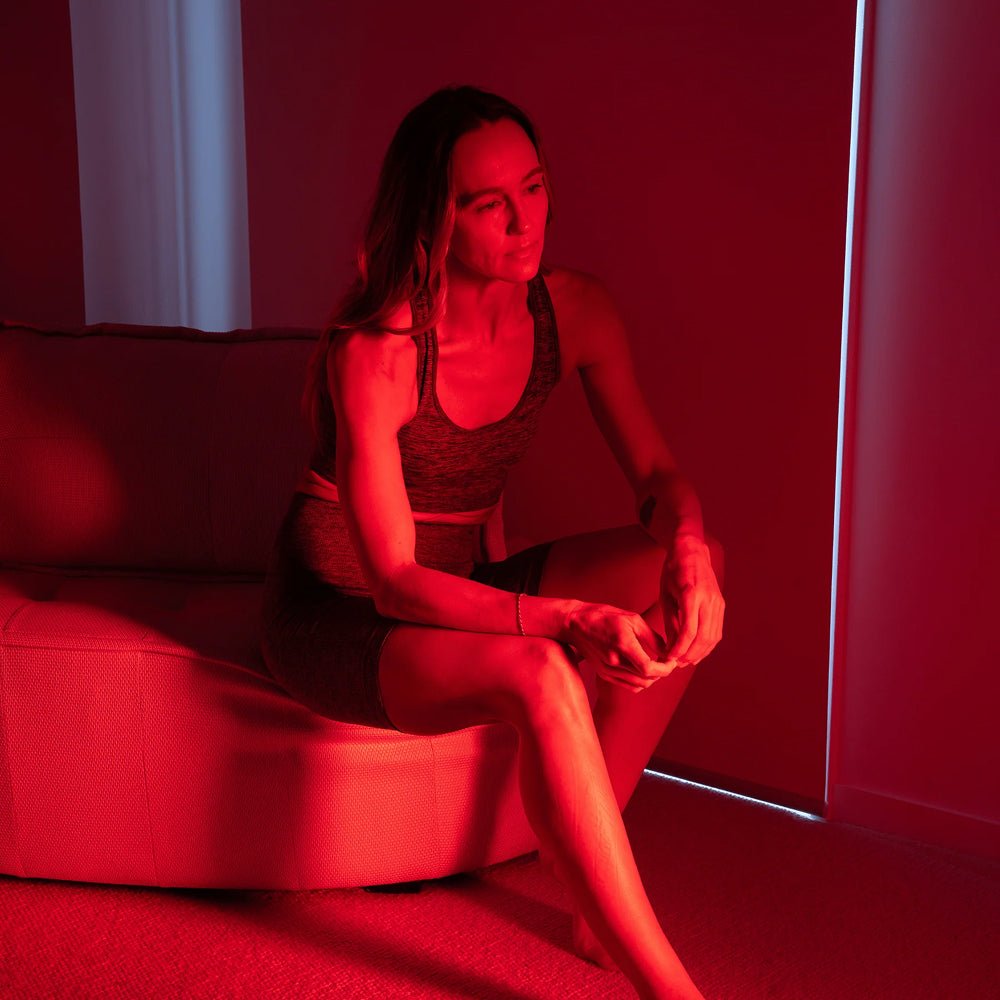
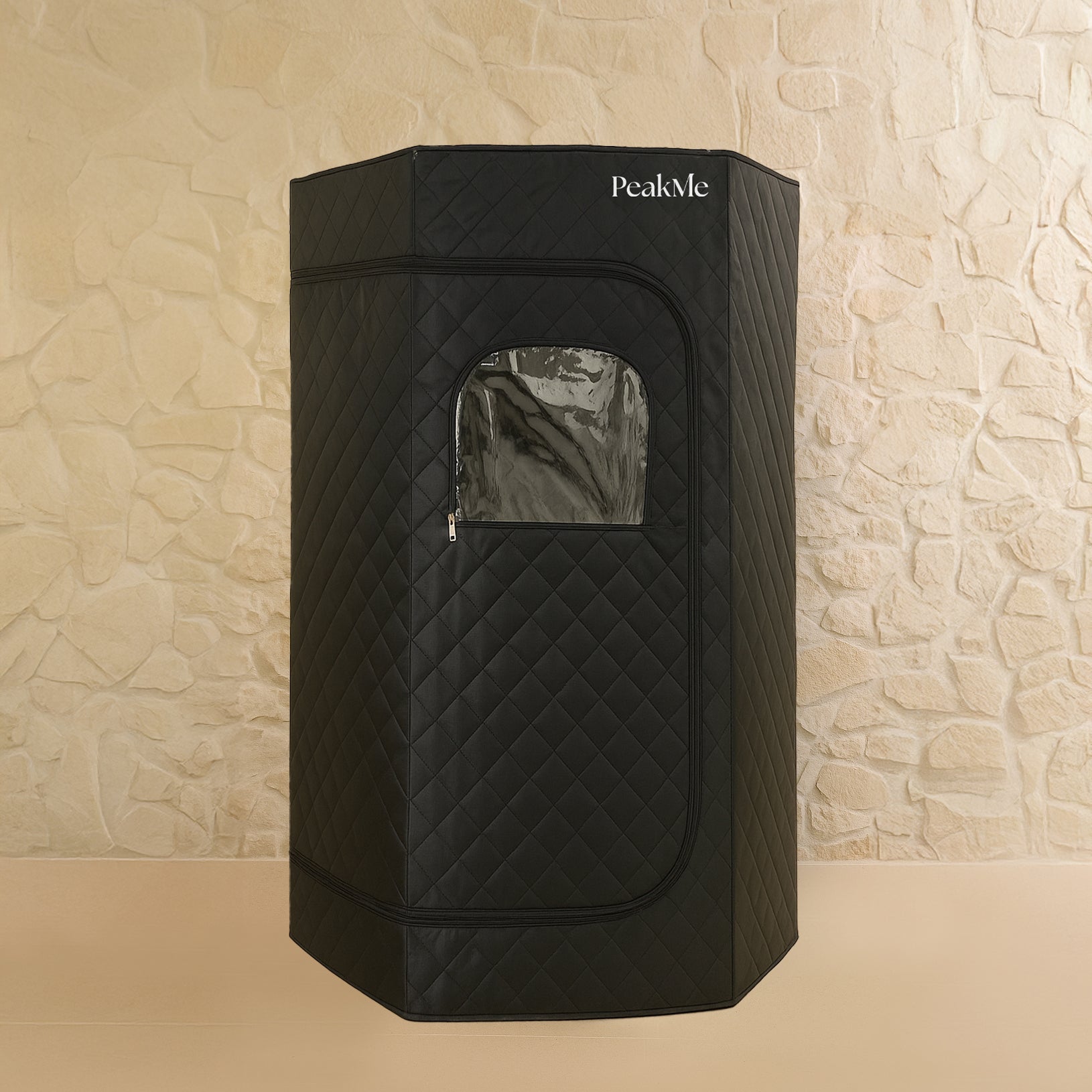
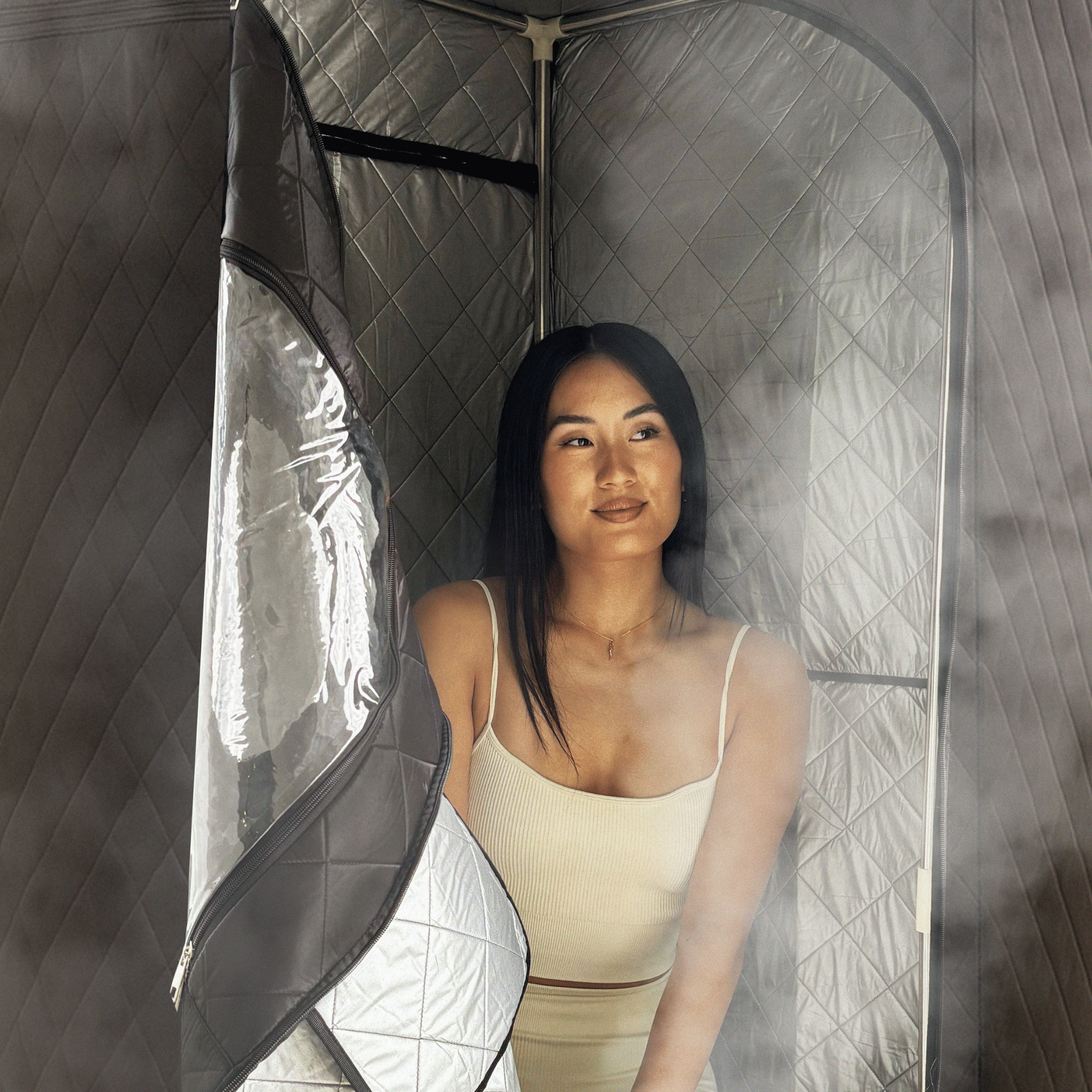
An indoor infrared sauna is the simplest home option. It plugs in, heats up quickly and runs at a lower air temperature than a traditional sauna, which makes longer sessions comfortable. The PeakMe Helios Infrared Sauna is a one-person cabin handcrafted from Canadian hemlock, with carbon-fibre far-infrared panels that heat from 30°C to 65°C, five preset modes (including Recover and Deep Sleep) and Bluetooth audio for your favourite podcast.
2. An ice bath that holds its temperature
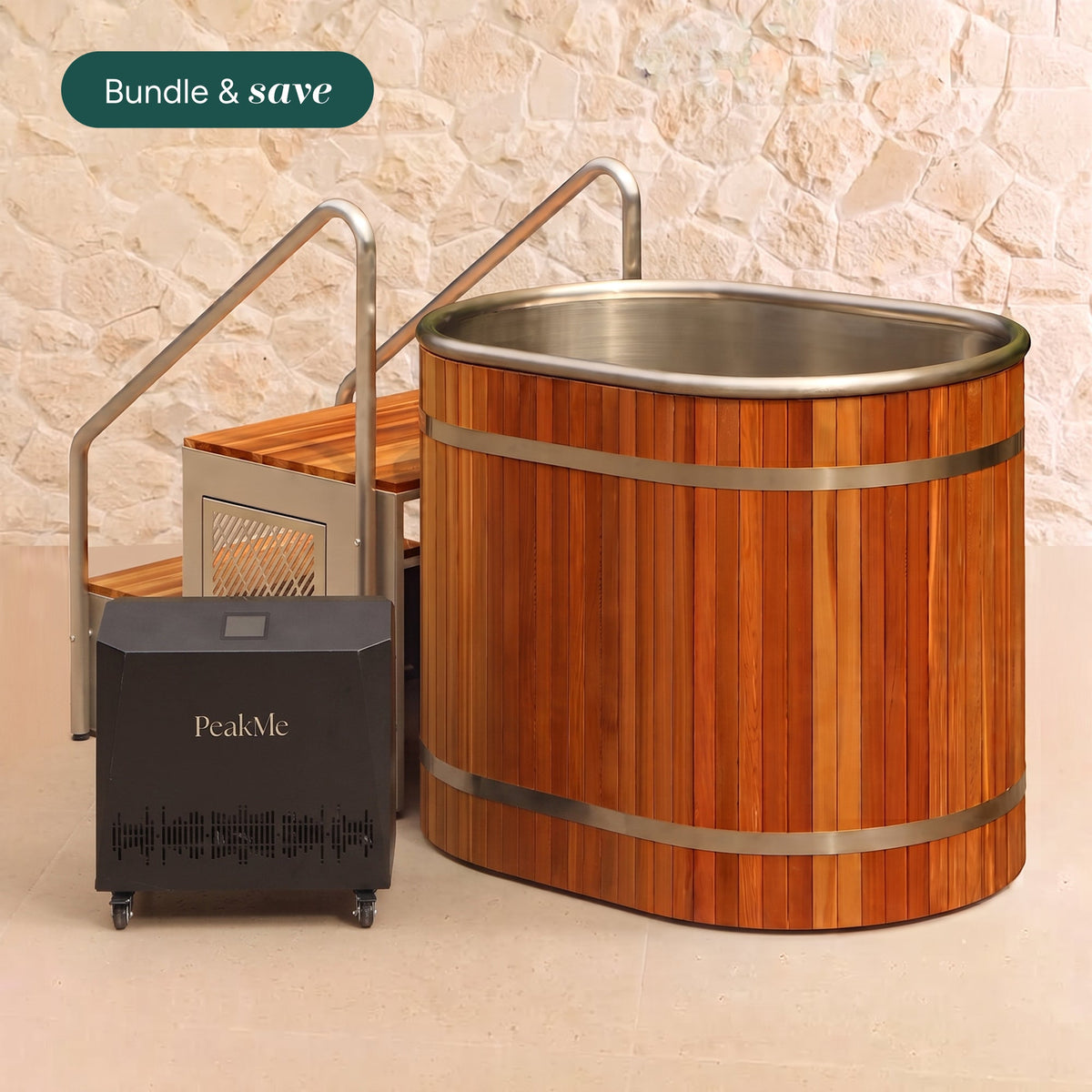
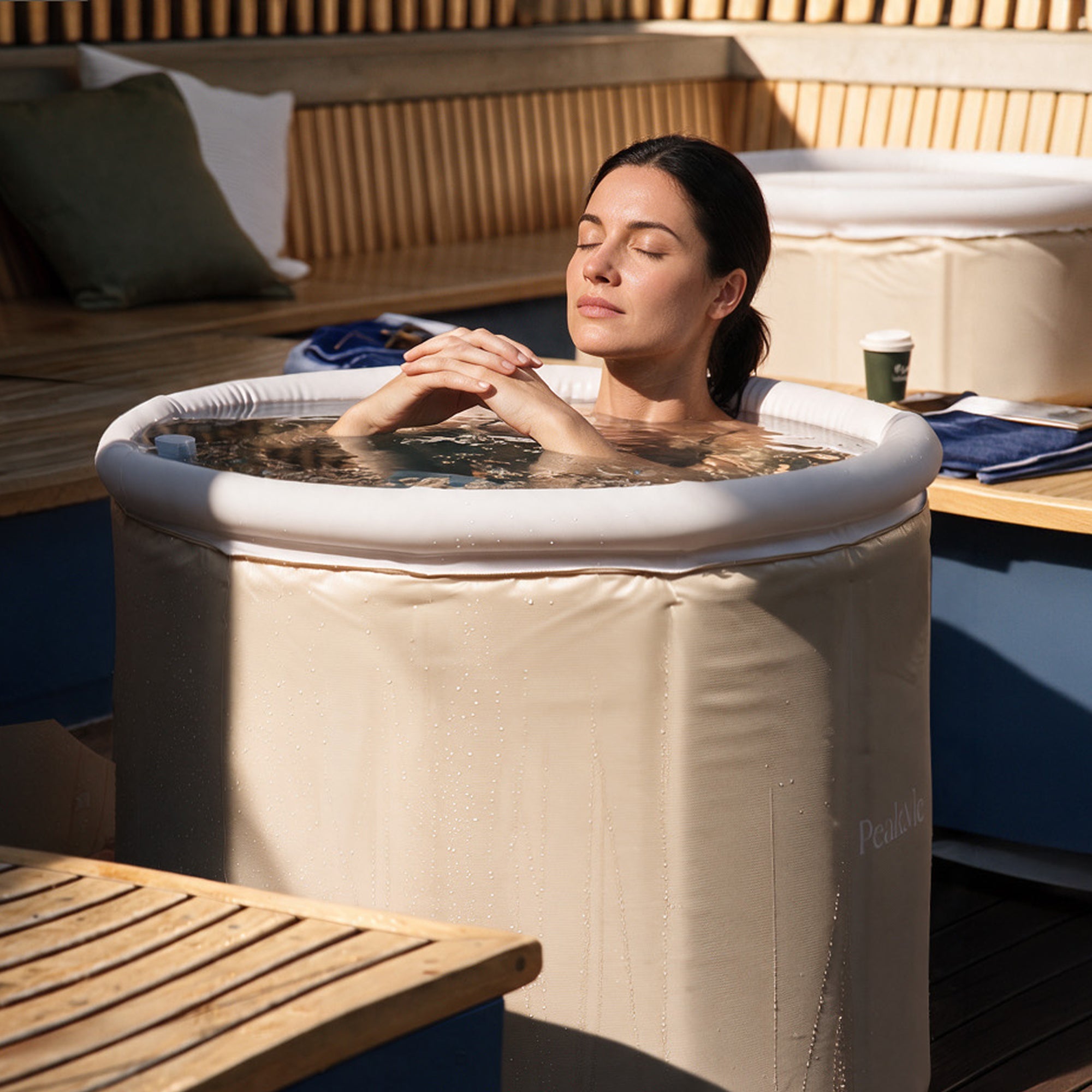
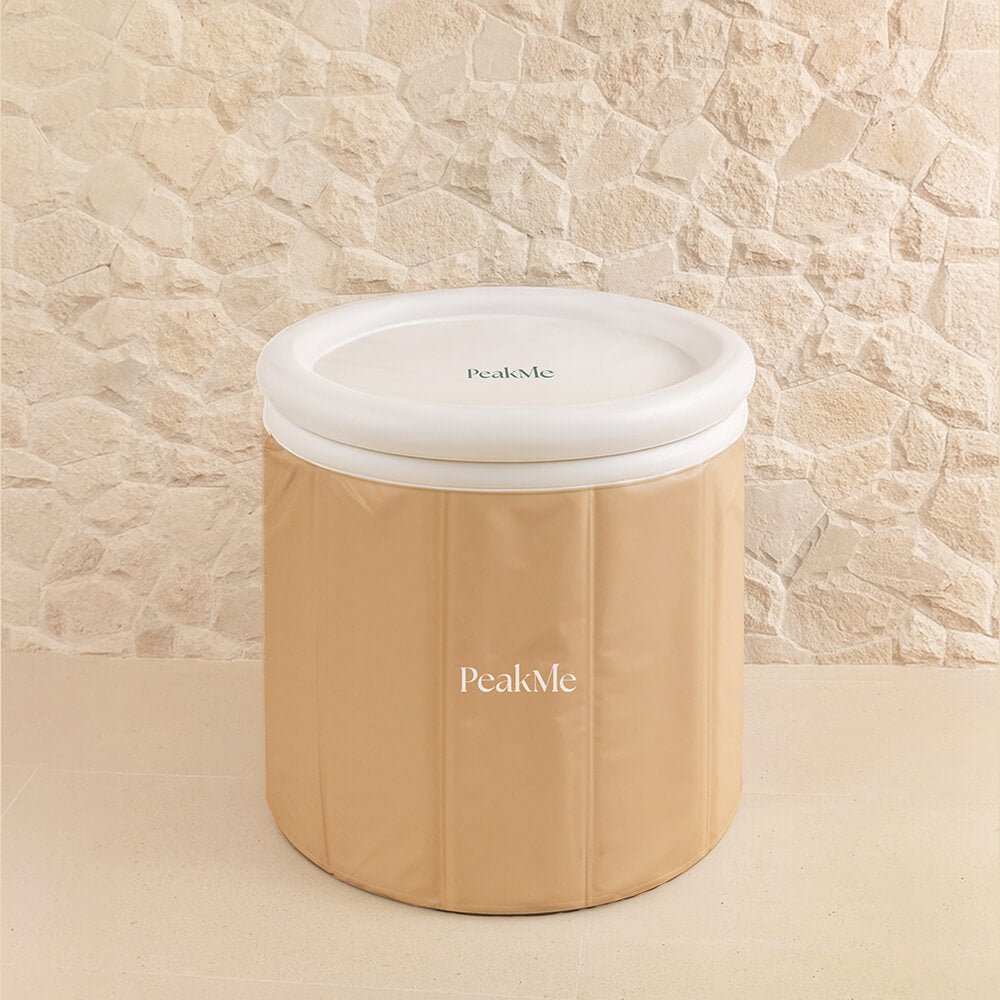
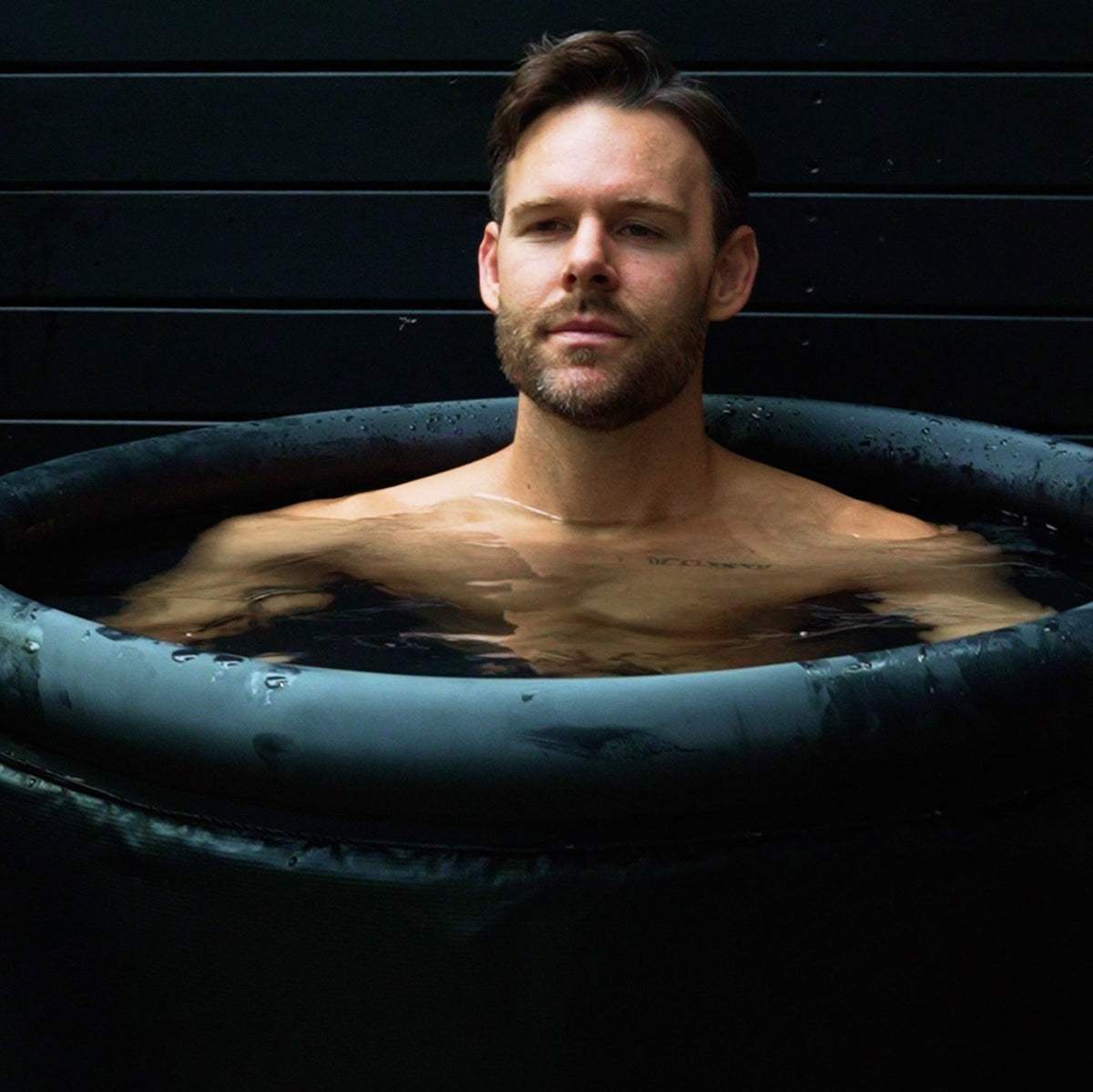
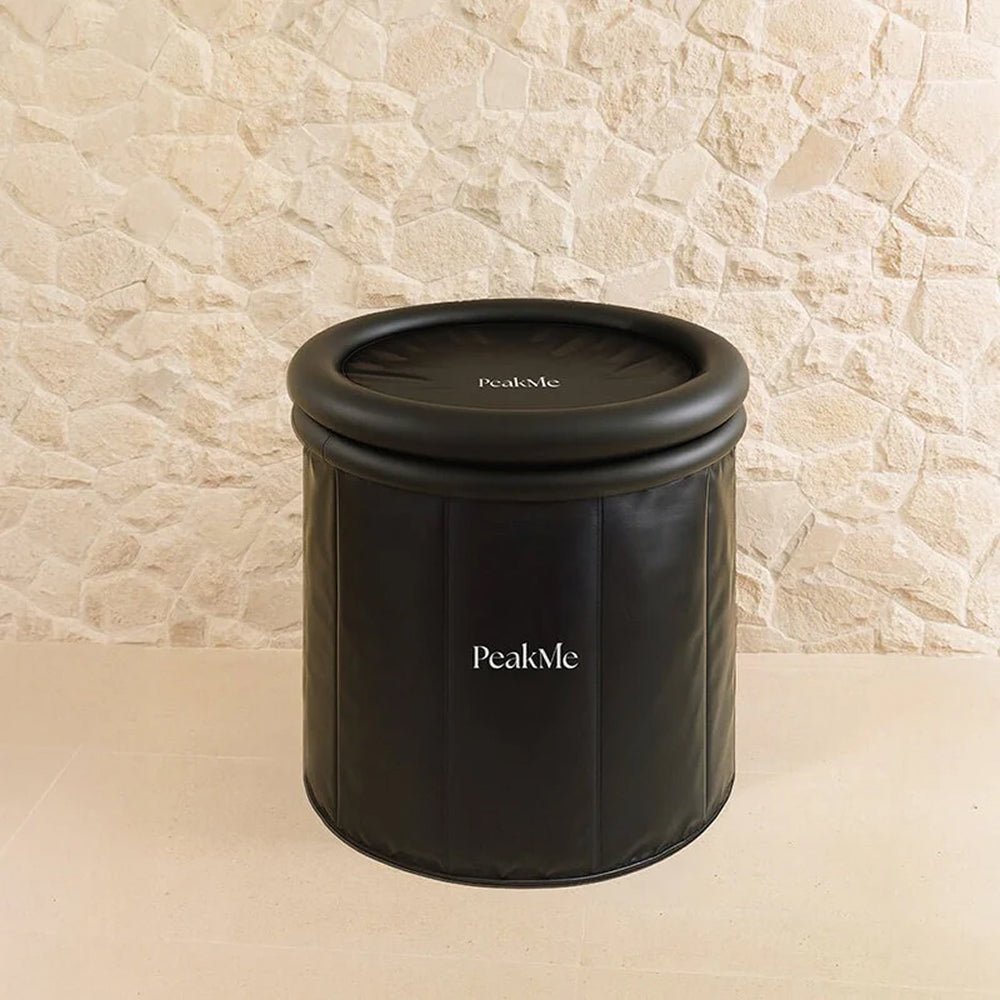
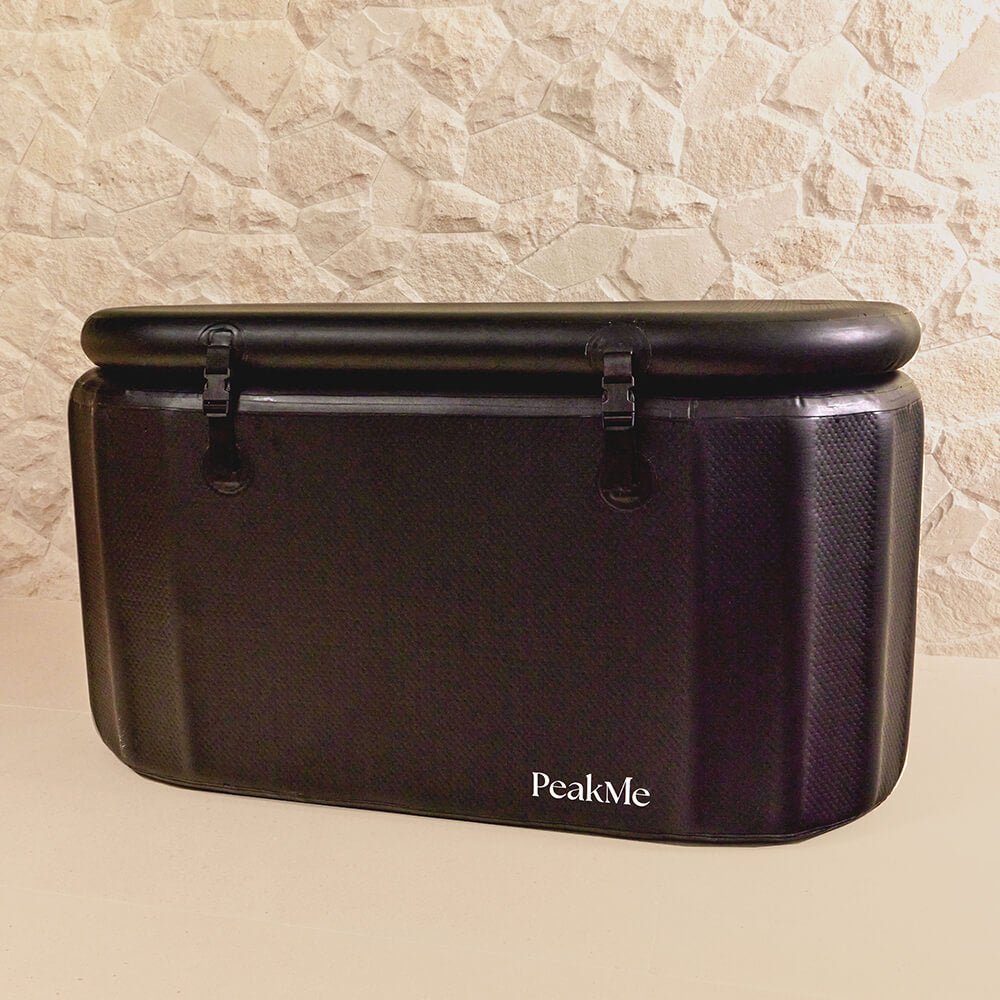
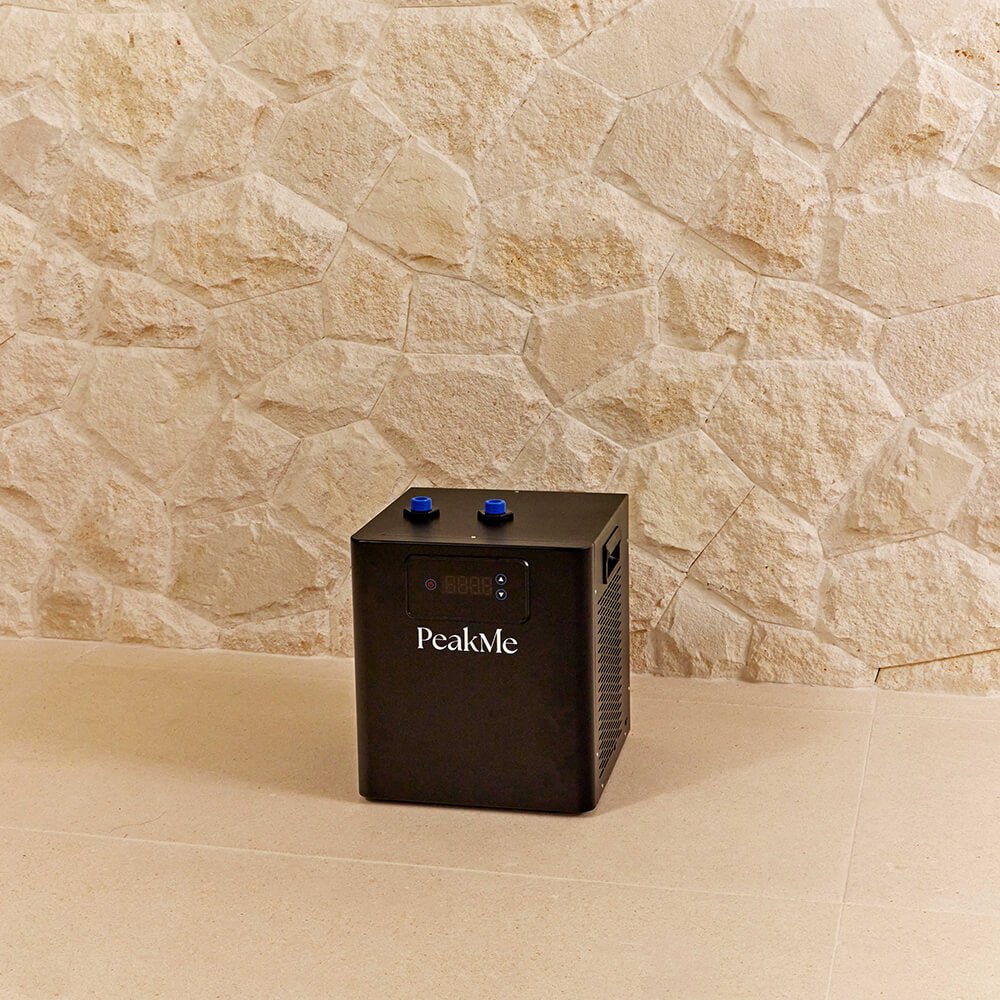
The PeakMe Flow Ice Bath has 10 cm multi-layer insulated walls and an insulated cover, so your water stays cold between sessions. It holds around 292 litres at the recommended fill, enough for full-body immersion. Add an Icon 0.3HP Chiller and you can set your temperature down to 5°C from your phone and skip the bags of ice. Its built-in pump and filter keep the water circulating and clean.
3. A place to rest between rounds
A chair, a towel and a glass of water. That's it. Use the rest period to bring your breathing back to normal before the next round.
If you're starting from scratch, the Basics Bundle pairs the Core Ice Bath with the Icon Chiller and six months of water filters, so the cold side of your routine is sorted.
Safety first
Contrast therapy puts real demands on your heart and circulation. Speak with your GP before starting if you're pregnant, have a heart condition, high or low blood pressure, or Raynaud's. Never use a sauna or ice bath after drinking alcohol, always get out if you feel dizzy or unwell, and never plunge alone when you're new to cold exposure.
Frequently asked questions
Should you do a sauna or ice bath first?
Most people start with the sauna, then move into the ice bath. Starting with heat warms your muscles and makes the cold contrast stronger. Repeat two to four times and finish on cold for energy or on heat to unwind.
How long should you stay in a sauna before an ice bath?
Aim for 10–20 minutes in the sauna before each cold plunge. Beginners can start at 10 minutes and build up. Infrared saunas run cooler, so sessions at the longer end are comfortable for most people.
How cold should the ice bath be for contrast therapy?
Between 10°C and 15°C is a good range for most people. Experienced users may go down to 5–10°C, but colder isn't necessarily better. Keep each cold round to a few minutes.
Is contrast therapy good after a workout?
It can help you feel less sore after training, and research supports this. If your main goal is building muscle or strength, leave a gap of a few hours between lifting and the cold part of your session, as cold immediately after strength training may reduce long-term gains.
Can I do contrast therapy every day?
Some people do, but two to four sessions a week is plenty for most. Listen to your body and give yourself rest days, especially when you're starting out.
The PeakMe take
A sauna and ice bath session is one of the most rewarding rituals you can build into your week. Heat to soften, cold to sharpen, breath to steady you in between. Start with two rounds, keep it consistent, and let the results build over time.
Ready to bring contrast therapy home? Explore the Helios Infrared Sauna and our ice bath range. Afterpay and PayPal Pay in 4 are available at checkout.
Made for more.
Sources
-
Bieuzen F, Bleakley CM, Costello JT, 2013. Contrast water therapy and exercise induced muscle damage: a systematic review and meta-analysis. PLoS One. (editor to add link and verify)
-
Šrámek P et al., 2000. Human physiological responses to immersion into water of different temperatures. European Journal of Applied Physiology. (editor to add link and verify)
-
Machado AF et al., 2016. Can water temperature and immersion time influence the effect of cold water immersion on muscle soreness? A systematic review and meta-analysis. Sports Medicine. (editor to add link and verify)
-
Søberg S et al., 2021. Altered brown fat thermoregulation and enhanced cold-induced thermogenesis in young, healthy, winter-swimming men. Cell Reports Medicine. (editor to add link and verify)
-
Laukkanen T et al., 2015. Association between sauna bathing and fatal cardiovascular and all-cause mortality events. JAMA Internal Medicine. (editor to add link and verify)
-
Roberts LA et al., 2015. Post-exercise cold water immersion attenuates acute anabolic signalling and long-term adaptations in muscle to strength training. Journal of Physiology. (editor to add link and verify)